


CATEGORIES
RECENT POSTS
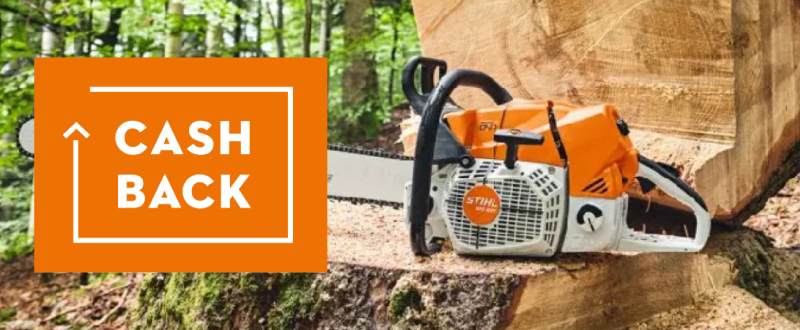
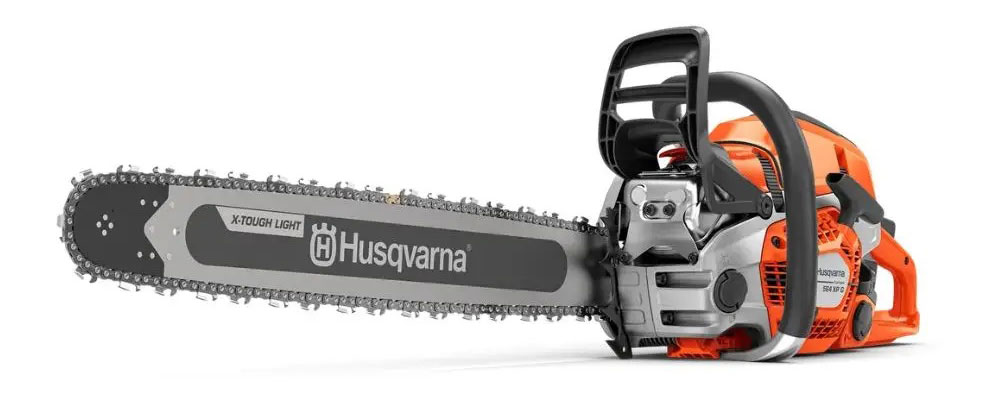
This chainsaw size guide explains how bar length, power and job type affect the best saw for pruning, firewood, felling and general garden work. It helps customers understand what size chainsaw they need, when to choose domestic or professional models, and how to match the machine to the cutting task.
What Size Chainsaw Do I Need? Bar Length, Power and Job Type Explained
Choosing the right chainsaw can make a huge difference to safety, performance and cutting efficiency. Whether you are trimming branches in the garden, cutting firewood or tackling large tree felling jobs, understanding chainsaw bar length, engine power and intended use is essential.
In this chainsaw size guide, we explain how to choose a chainsaw, the different chainsaw bar dimensions available, and which chainsaw is best suited for different types of work.
What Size Chainsaw Do I Need?
One of the most common questions customers ask is: “What size chainsaw do I need?”
The answer depends on:
- The size of the wood you are cutting
- How often you use the chainsaw
- Whether you need a domestic chainsaw or professional model
- The type of job you are completing
As a general rule, your chainsaw bar length should be at least 2 inches longer than the diameter of the wood you plan to cut.
Chainsaw Size Chart
| Chainsaw Bar Length | Recommended Use |
|---|---|
| 10–12 inch | Light pruning, hedge work, small branches |
| 12–14 inch | Small garden maintenance and light firewood cutting |
| 14–16 inch | General domestic use, cutting logs and small trees |
| 16–18 inch | Medium tree cutting and regular firewood preparation |
| 20 inch + | Professional forestry and large tree felling |
This simple chainsaw size chart can help you choose the correct machine for your needs.
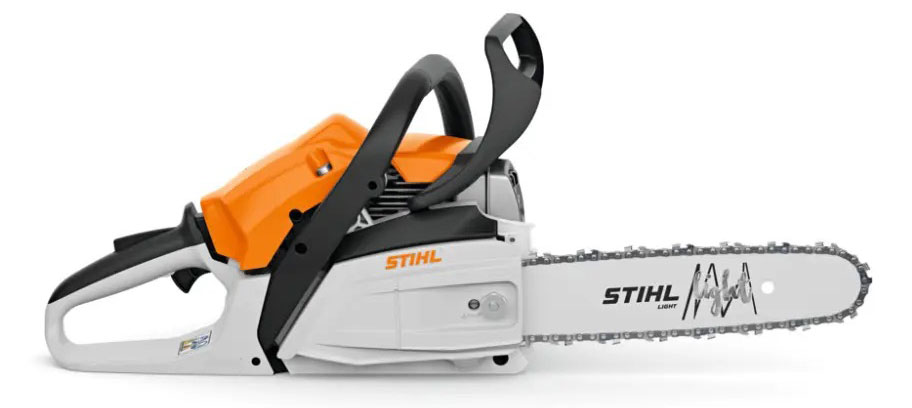
Chainsaw Bar Length Explained
The chainsaw bar length refers to the usable cutting area of the guide bar, measured from the front of the saw body to the tip of the bar.
When looking at chainsaw bar dimensions, it is important to remember:
- Longer bars can cut larger trees
- Shorter bars are lighter and easier to control
- Larger bars usually require more engine power
If you are wondering “what length chainsaw do I need?”, think about the largest diameter wood you expect to cut regularly.
Chainsaw Bar Length Guide
12–14 Inch Chainsaws
These smaller chainsaws are ideal for homeowners looking for a domestic chainsaw for pruning, trimming and occasional garden work.
14–16 Inch Chainsaws
This is one of the most popular sizes because it balances cutting performance and ease of use. It is often considered the best chainsaw for cutting logs and preparing firewood.
16–18 Inch Chainsaws
A great choice for medium-sized tree work and regular use. Suitable as a chainsaw for tree cutting around farms, estates and larger gardens.
18–20 Inch Chainsaws
These are more powerful models designed for larger trees and demanding cutting jobs.
20 Inch and Above
Professional-grade chainsaws used for forestry, commercial tree surgery and heavy-duty felling.
Petrol vs Battery Chainsaws
When choosing a chainsaw, you should also consider the power type.
Battery Chainsaws
- Quieter operation
- Lower maintenance
- Ideal for domestic use
- Lightweight and easy to start
Petrol Chainsaws
- More powerful for heavy-duty work
- Better for large trees and long cutting sessions
- Commonly used by professionals
For homeowners, battery models are often the best chainsaw for firewood and light garden tasks. For larger tree work, petrol chainsaws are normally preferred.
Best Chainsaw for Cutting Trees
The best chainsaw for cutting trees depends on the size of the trees and how frequently you use the machine.
For occasional domestic use:
- A 14–16 inch chainsaw is usually ideal.
For larger tree cutting:
- An 18–20 inch petrol chainsaw offers more power and cutting capacity.
Professional users may require larger saws with higher engine performance for forestry work.
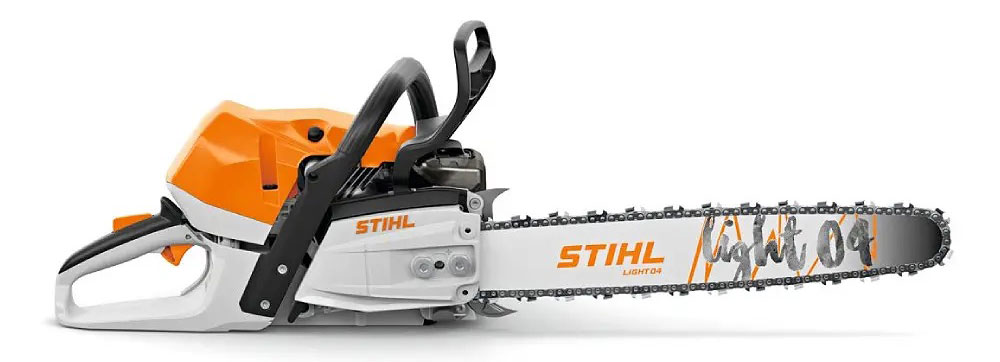
STIHL Chainsaw Size Guide
STIHL chainsaws are available in a wide range of sizes suitable for domestic users through to professional arborists.
Popular STIHL chainsaw sizes include:
- 12–14 inch models for light garden work
- 16–18 inch models for general cutting and firewood
- 20 inch + models for professional forestry work
When replacing chains or guide bars, always check the correct:
- Pitch
- Gauge
- Drive link count
Many users search for a:
- STIHL chainsaw chain size chart
- STIHL chain size chart
- STIHL chainsaw size chart
These charts help match the correct chain and bar combination to your specific model.
How to Choose a Chainsaw
When deciding how to choose a chainsaw, consider the following:
1. Job Type
Think about whether you need the saw for:
- Pruning
- Firewood
- Tree cutting
- Professional forestry work
2. Frequency of Use
Occasional users may prefer lightweight battery chainsaws, while regular users may benefit from petrol models.
3. Weight and Comfort
Heavier chainsaws can become tiring during long periods of use.
4. Safety Features
Look for:
- Chain brakes
- Anti-vibration systems
- Automatic chain lubrication
- Easy chain tensioning
Final Thoughts
Choosing the correct chainsaw size is important for both safety and performance. Understanding chainsaw bar length, power and intended job type can help you find the perfect machine for your needs.
Whether you need a domestic chainsaw for garden maintenance, the best chainsaw for cutting trees, or a reliable saw for preparing firewood, selecting the right size will make your work easier and more efficient.
At Radmore & Tucker, we stock a wide range of chainsaws from leading brands including STIHL and Husqvarna. Our team can help you choose the best chainsaw for your requirements and provide expert advice on chainsaw bar dimensions, chain compatibility and accessories.
About the Author: Amy

